


Maple Pecan Vanilla Bean Scones
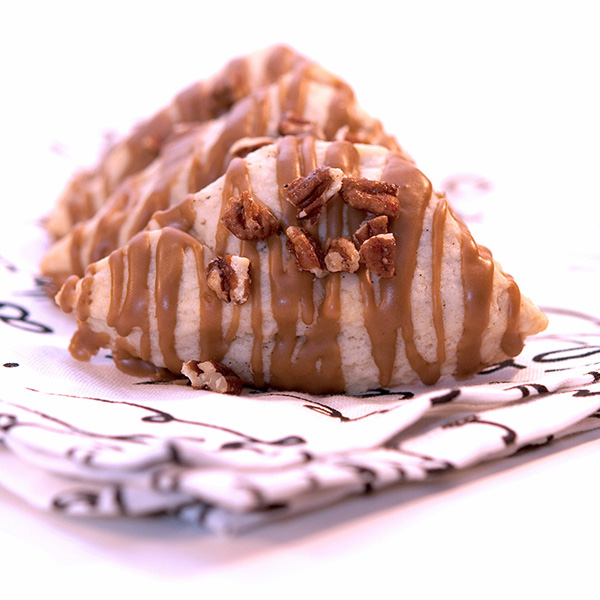
The original scone was round and flat, usually the size of a medium size plate. It was made with unleavened oats and baked on a griddle, then cut into triangle-like quadrants for serving.
Scones sold commercially are usually round in shape, although some brands are hexagonal as this shape may be tessellated for space-efficiency. When prepared at home, they take various shapes including triangles, rounds and squares. The baking of scones at home is often closely tied to heritage baking. They tend to be made from family recipes rather than recipe books, since it is often a family member who holds the "best" and most-treasured recipe.
(www.wikipedia.com)
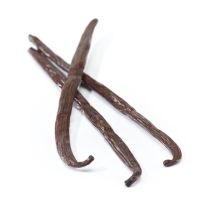
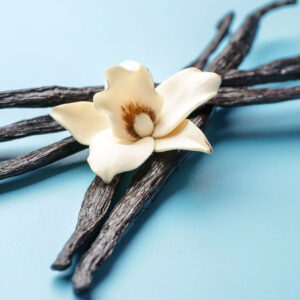
Scones in the United States tend to be triangular in shape and most likely are glazed or drizzled with a frosting in various flavors. They closely resemble a biscuit but have a light a flaky texture that comes from the butter used in the product. There are two places in the morning that I love to grab a scone in the morning as a treat. One is orange flavored and the other is vanilla bean, however both establishments charge nearly $3.00 per scone. I love to support businesses that I think have a quality product, but I recently discovered a recipe that rivals both these places. Plus, I save nearly $2.00 each morning by making them myself! When I tested the recipe I used both vanilla extract and whole vanilla beans from Beanilla. What I discovered is that while the vanilla gave it a great taste, the whole vanilla bean from Madagascar gave the maple pecan vanilla bean scone a great flavor and appearance!
This homemade scone recipe can be easily adapted to fit any glaze flavors and also can be baked and frozen for easy preparation in the morning. We all need a little help in the morning getting out the door, don't you agree!
Maple Pecan Vanilla Bean Scones Recipe
Ingredients:
3 cups All-purpose Flour
2/3 cups Sugar
5 teaspoons Baking Powder
1/4 teaspoon Salt
2 sticks (1/2 Pound) UNSALTED Butter, Chilled
1 whole Large Egg
3/4 cups Heavy Cream (more If Needed)
2 Whole Vanilla Beans
Maple Glaze:
2 1/2 cups Powdered Sugar
1/8 cup Whole Milk, More If Needed For Thinning
1 tsp. maple flavoring extract
1/8 c. candied pecans
Directions:
Preheat oven to 350 degrees.
Split the vanilla beans down the middle lengthwise and scrape out all the vanilla "caviar" inside. Stir caviar into cream. Set aside for 15 minutes.
Sift together flour, 2/3 cup sugar, baking powder, and salt.
Cut cold butter into pats, then use a pastry cutter or two knives to cut the butter into the flour. Keep going until mixture resembles crumbs.
Mix vanilla cream with egg, then combine with flour mixture; stir gently with a fork just until it comes together.
Turn dough onto a floured surface and lightly press it together until it forms a rough rectangle. (Mixture will be pretty crumbly.) Use a rolling pin to roll into a rectangle about 1/2 inch to 3/4 inch thick. Use your hands to help with the forming if necessary.
Use a knife to trim into a symmetrical rectangle, then cut the rectangle into 12 symmetrical squares/rectangles. Next, cut each square/rectangle in half diagonally, to form two triangles.
Transfer to a parchment or baking mat-lined cookie sheet and bake for 18 minutes, removing from the oven just before they start to turn golden. Allow to cool for 15 minutes on the cookie sheet, then transfer to a cooling rack to cool completely.
Glaze:
Whisk together powdered sugar, maple flavoring and milk until smooth and creamy. Drizzle with a spoon over cooled scones and garnish with candied pecans.
Related Products
Search Recipes
Categories
-
Recipes
- » Vanilla Recipes
- » Chocolate
- » Beverages, Drinks & Cocktails
- » Parfaits & Trifles
- » Cookies
- » Cheesecake
- » Candy, Snacks & Treats
- » Breakfast & Brunch
- » Cupcakes
- » Cakes
- » Brownies & Bars
- » Breads & Muffins
- » Savory Recipes
- » Ice Cream & Frozen Desserts
- » Mini Desserts
- » Pies
- » Seasonal Baking Recipes
- » Pastries & Tarts
- » Cobblers, Crisps & Crumbles
- » Fruits, Compotes & Jams
- » Puddings, Custards & Creams
- » Sweet Sauces & Caramel
- » Baking Ingredients
- » Pumpkin
- » Frostings & Fillings
- » Donut Recipes
- Vanilla Market Reports
Recent Posts

Homemade Vanilla

Share your thoughts, leave a comment